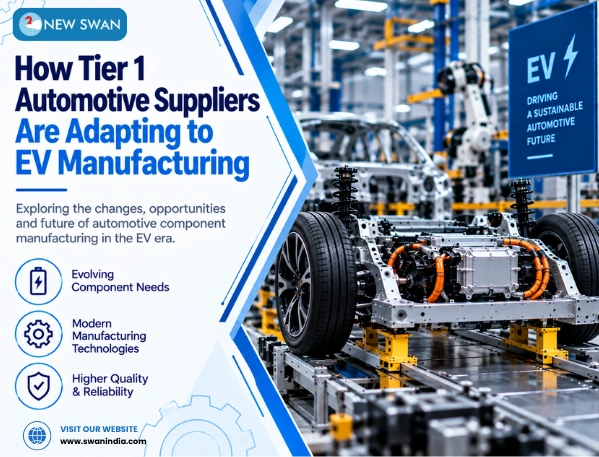

The first thing suppliers need to understand is that electric vehicles are built differently from traditional petrol and diesel vehicles.
A conventional vehicle uses an internal combustion engine to generate power. An electric vehicle uses an electric motor and a battery system. Because of this difference, the components required for each vehicle can vary considerably.
For example, electric vehicles need components that support battery systems, motor assemblies and electrical connections. They may also require specially designed enclosures, brackets and structural parts.
This creates new opportunities for component manufacturers, but it also means they need to learn about different product requirements. Some suppliers are developing new products, while others are exploring how their existing manufacturing capabilities can be used for electric vehicle applications.
Component design is another area where the shift towards electric vehicles is making a difference.
In the past, manufacturers often designed parts around the needs of engines, transmissions and other traditional vehicle systems. Electric vehicles have different layouts, which means some components need to be redesigned.
Weight is one important consideration. Since the battery pack adds considerable weight to an electric vehicle, manufacturers look for ways to reduce weight in other areas without affecting safety or strength.
Suppliers may work on smaller brackets, lighter metal components and parts that fit into limited spaces. Good design also makes manufacturing easier. A component that is properly designed can be simpler to produce, inspect and assemble.
This is why communication between design teams and manufacturing teams matters. A small change in a component can affect several stages of production.
Walk into a modern automotive manufacturing facility and you may notice that many tasks are handled with the help of automated equipment.
Robotic welding, computer controlled machining and automated inspection systems are becoming part of production in different areas of the industry. These technologies can help manufacturers produce components more consistently. They can also support repetitive tasks that would otherwise require considerable manual effort.
For example, robotic welding can help maintain consistent weld patterns when the equipment is properly programmed and monitored. CNC machining can produce components that require accurate dimensions.
However, installing new machines is only one part of the process. Employees need to understand how the equipment works, and manufacturers must maintain it regularly. Production teams also need to check whether the technology is suitable for the components they make. The aim is not to automate everything. It is to find practical ways to improve production while maintaining quality.
Quality has always mattered in automotive manufacturing, but electric vehicle components can come with their own specific requirements.
Battery related parts, for example, may need to meet strict requirements for dimensions, strength, sealing and resistance to different operating conditions. Even a small manufacturing issue can create problems during assembly or affect how a component performs.
This is why suppliers pay close attention to material selection, production checks and inspection procedures. A Tier 1 Automotive Supplier must understand the specifications provided by the vehicle manufacturer and make sure the components meet those requirements.
Quality checks can take place at different stages, starting with incoming materials and continuing through production and final inspection. Keeping proper records is also useful. When an issue occurs, manufacturers can review production information and investigate what went wrong.
Another change in electric vehicle manufacturing is the growing interest in materials that can help reduce vehicle weight.
Steel remains widely used in automotive components because of its strength and established manufacturing processes. Aluminium and other materials are also considered for applications where weight reduction is important.
The right material depends on what the component needs to do. A part that carries a heavy load may have different requirements from a small mounting bracket. Manufacturers must consider strength, durability, cost, production methods and the conditions in which the component will be used.
For sheet metal manufacturers, this can mean adjusting forming methods, tooling and inspection procedures to suit different materials. Choosing a material is not simply about making a component lighter. It is about finding a suitable balance between performance, safety and manufacturing needs.
Electric vehicle projects often involve new designs and changing technical requirements. This makes communication between suppliers and original equipment manufacturers especially important.
Suppliers need to understand what the customer expects before production begins. This includes component dimensions, material specifications, quality requirements and delivery schedules.
Sometimes a design may need to be adjusted after testing or during product development. When suppliers and vehicle manufacturers communicate regularly, these changes can be managed more clearly.
Good coordination also helps with production planning. Manufacturers can prepare materials, arrange tooling and organise production according to the customer's requirements. For Swan India, understanding changing automotive manufacturing needs is relevant to staying connected with developments in the component manufacturing sector. Strong working relationships are built through clear communication, consistent quality and a shared understanding of what needs to be delivered.
New technology brings new learning opportunities for manufacturing employees.
A worker who has spent years operating conventional machinery may need additional training when the company introduces automated equipment or a different production process. Engineers may also need to learn more about electric vehicle components, new materials and updated quality requirements.
Training does not always have to involve complicated programmes. Practical sessions, equipment demonstrations and regular guidance can help employees become familiar with new methods. Experienced workers also have valuable knowledge to share. Their understanding of production challenges can help younger employees learn how to handle real manufacturing situations.
When employees understand both the equipment and the purpose of their work, it becomes easier to manage changes on the production floor.
Electric vehicle manufacturing also affects how companies plan their production and manage materials.
Different components may require new suppliers, updated tooling or changes in manufacturing schedules. These adjustments need to be planned carefully. A delay in receiving an important material can affect the production schedule. Similarly, an unexpected design change may require a manufacturer to review its tooling or inspection process.
Companies can reduce some of these challenges by maintaining clear communication with suppliers, monitoring inventory and reviewing production plans regularly. Digital production systems can also help manufacturers keep track of orders, material availability and manufacturing progress. Every company has different needs, so the approach depends on its size, products and customer requirements.
The transition to electric vehicles is still developing, and the requirements will continue to change as vehicle technology advances.
Some manufacturers will focus on battery related components, while others may work on structural parts, precision metal components or products used across different types of vehicles. Not every existing automotive component will disappear, and electric vehicles will not require exactly the same parts across every model.
For Swan India, following these industry developments can help build an understanding of how automotive manufacturing requirements are evolving. The important thing for suppliers is to stay informed, understand customer expectations and make practical decisions about future capabilities.
Tier 1 suppliers are critical partners who design and manufacture key components for vehicle manufacturers. In the transition to electric vehicles, they must adapt their capabilities to produce battery-related parts, electric motor components, and specialized systems that differ significantly from traditional vehicle components.
Many Tier 1 suppliers are investing in automated equipment including robotic welding, CNC machining, and advanced inspection systems. These technologies help improve production consistency, precision, and quality while managing the different dimensional and performance requirements of electric vehicle components.
Suppliers are exploring lightweight materials like aluminum and composites to reduce vehicle weight, which improves EV efficiency and range. The choice of material depends on component function, strength requirements, manufacturing capabilities, and cost considerations. Suppliers are updating their forming methods, tooling, and inspection procedures to work with these new materials.
EV components, particularly battery-related parts, have stricter dimensional tolerances, strength requirements, sealing specifications, and resistance to various operating conditions. Suppliers must implement comprehensive quality checks at multiple production stages and maintain detailed records for traceability and problem investigation.
Clear communication is essential as EV designs often involve new technical requirements and ongoing changes. Regular coordination helps suppliers understand customer expectations, manage design adjustments, plan production effectively, and respond quickly to specification updates. Strong relationships are built through transparency and consistent quality delivery.
Electric vehicle manufacturing is bringing changes to component design, materials, production technology and quality requirements. Automotive suppliers are responding by learning new processes, improving their manufacturing methods and working more closely with vehicle manufacturers.
A Tier 1 Automotive Supplier needs to keep up with these developments while maintaining the quality and reliability expected in the automotive industry. The transition will look different for every manufacturer. Some companies may introduce new technologies, while others may adapt their existing processes or explore new product opportunities.
What remains important is a willingness to learn, improve and respond to changing customer needs. As electric vehicles continue to develop, these everyday manufacturing decisions will play an important role in shaping the automotive supply chain.