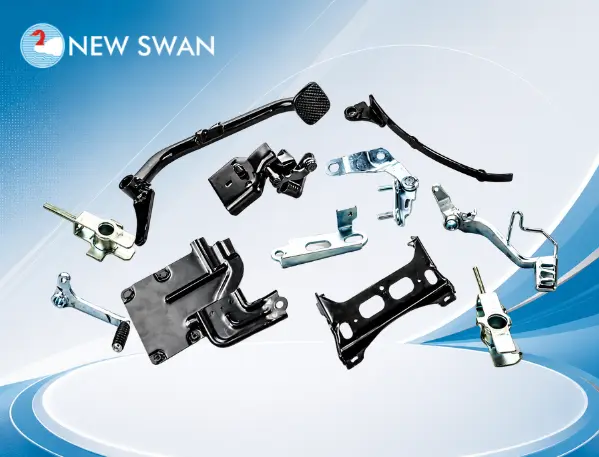

Pressed components are manufactured by shaping metal sheets using specialized presses and tooling systems. These parts are widely used across industries because they offer precision, durability, and efficiency in high-volume production.
You'll find pressed components in:
Since these components often perform critical functions, their quality directly affects the performance of the final product. This is why choosing the right manufacturing partner is so important.
When evaluating potential suppliers, one of the first things to consider is their industry experience.
A manufacturer with extensive experience understands production challenges, industry requirements, and customer expectations. They have likely worked on a variety of projects and developed processes that ensure consistent quality.
Experienced manufacturers can also provide valuable guidance when it comes to design improvements, material selection, and production planning.
Before finalizing a supplier, ask about:
A proven track record often indicates reliability and technical competence.
A supplier's manufacturing facility says a lot about their ability to meet customer requirements.
Modern manufacturing requires advanced machinery, efficient workflows, and well-maintained equipment. These factors contribute to better precision, improved productivity, and consistent product quality.
Look for manufacturers that invest in:
Advanced infrastructure demonstrates a commitment to quality and operational excellence.
Quality is one of the most important factors when selecting a supplier.
Even small variations in dimensions or specifications can create significant challenges during assembly and product performance. A reliable manufacturer should have a strong quality management system in place to ensure consistency throughout the production process.
Key quality practices include:
Manufacturers that follow strict quality standards are better positioned to deliver dependable products that meet customer expectations.
The performance of a pressed component depends not only on its design but also on the material used to manufacture it.
Different applications require different material properties such as strength, corrosion resistance, flexibility, and durability.
A knowledgeable supplier should understand the characteristics of various materials and recommend suitable options based on the intended application.
Common materials include:
Material expertise helps ensure that components perform effectively in real-world operating conditions.
Tooling plays a critical role in the production of pressed components. The quality of tools directly impacts dimensional accuracy, production efficiency, and consistency.
A supplier with strong tooling capabilities can maintain tighter tolerances and deliver better-quality products.
Consider whether the manufacturer offers:
Having access to these services under one roof often improves coordination and production efficiency.
Your business needs may change over time. As demand grows, your supplier should be able to support increased production requirements without compromising quality.
A dependable supplier should have sufficient production capacity and the flexibility to scale operations when necessary.
Questions worth asking include:
Manufacturers with scalable operations are better prepared to support long-term partnerships.
In manufacturing, timing is everything.
Delays in component delivery can affect production schedules, inventory planning, and customer commitments. That's why delivery performance should be carefully evaluated before selecting a supplier.
Reliable manufacturers focus on:
A supplier that consistently delivers on schedule helps ensure smooth business operations and reduces the risk of production disruptions.
Not every project requires standard components. Many industries need customized solutions that meet specific design and performance requirements.
An ideal pressed components manufacturer should have the flexibility to provide tailored solutions based on customer specifications.
Customization capabilities may include:
Manufacturers that offer engineering support can also help optimize designs and improve manufacturability.
Manufacturing technologies continue to evolve, and suppliers must adapt to remain competitive.
A forward-thinking manufacturer continuously invests in process improvements, advanced technologies, and workforce development.
Signs of innovation include:
Suppliers that embrace innovation are often better equipped to meet changing industry demands and deliver superior manufacturing solutions.
A manufacturer's reputation can provide valuable insight into their performance and reliability.
Customer feedback, certifications, and long-term industry presence often indicate the level of trust a supplier has built over time.
When researching suppliers, review:
A strong reputation is often a reflection of consistent quality and dependable service.
Businesses today need more than just a supplier — they need a manufacturing partner that understands their goals and supports their growth.
Swan India has established itself as a trusted engineering and manufacturing company by delivering high-quality components for diverse industries. Through advanced manufacturing capabilities, strict quality practices, and a commitment to customer satisfaction, the company continues to support businesses with reliable component solutions.
With a focus on precision, innovation, and manufacturing excellence, Swan India helps customers meet their evolving industry requirements.
Selecting the right supplier is a critical step in ensuring product quality, operational efficiency, and long-term success. From manufacturing experience and production capabilities to quality control and engineering support, every factor should be carefully evaluated.
By taking a strategic approach to supplier selection, businesses can identify a reliable pressed components manufacturer that consistently meets their expectations and supports future growth.
A dependable manufacturing partner contributes to smoother operations, better product performance, and stronger business relationships — making supplier selection one of the most important decisions in any manufacturing journey.