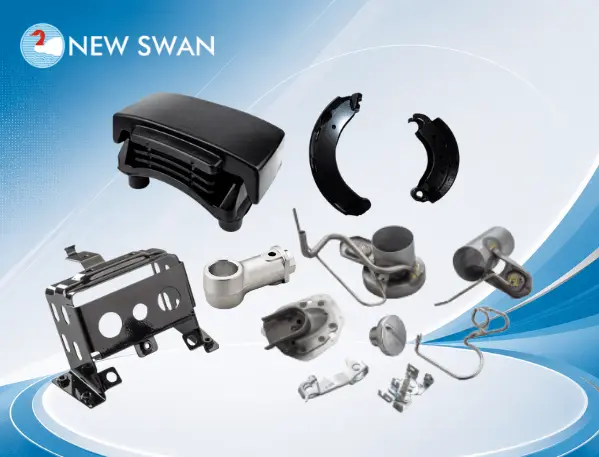

OEM stands for Original Equipment Manufacturer. An OEM supplier produces components that are used directly in the manufacturing of vehicles. These parts are designed and manufactured according to the exact specifications provided by automotive companies.
Unlike aftermarket components, OEM parts are developed specifically for a particular vehicle model or platform. This ensures compatibility, performance, and long-term reliability.
Automotive manufacturers depend on OEM suppliers for a wide range of products, including:
These suppliers become an extension of the manufacturer's production process, helping maintain quality standards throughout the supply chain.
Quality is one of the most important factors in vehicle manufacturing. A single defective component can impact performance, customer satisfaction, and brand reputation.
Automotive suppliers follow strict quality control procedures to ensure every component meets required specifications. These processes often include:
Consistent quality helps manufacturers reduce defects, improve reliability, and maintain customer confidence. Companies such as Swan India focus on precision manufacturing and quality assurance to support the demanding requirements of automotive brands across global markets.
Modern automotive manufacturing requires a steady flow of components to keep production lines operating efficiently. Vehicle manufacturers often produce thousands of units daily, making reliable supply chains essential.
Suppliers invest in advanced production facilities, automation technologies, and skilled workforces to meet these requirements. Their ability to manufacture high volumes while maintaining quality allows automotive companies to meet market demand without delays.
Efficient production support helps manufacturers:
Without dependable suppliers, large-scale vehicle production would become extremely challenging.
Innovation is shaping the future of automotive manufacturing. Electric vehicles, lightweight materials, connected technologies, and advanced safety systems are transforming how vehicles are designed and produced.
Suppliers play an active role in this transformation by collaborating with manufacturers during product development. Their engineering expertise helps create components that meet new performance and efficiency requirements.
Research and development efforts often focus on:
These innovations enable vehicle manufacturers to introduce better products while remaining competitive in global markets.
The automotive industry depends on efficient supply chain management. Delays in component delivery can disrupt production schedules and increase costs.
A reliable Global OEM Supplier helps maintain supply chain stability through strong manufacturing capabilities and effective logistics networks. By operating across multiple regions, these suppliers can support automotive companies in different markets while ensuring consistent product availability.
Key supply chain advantages include:
Strong supplier partnerships help manufacturers respond more effectively to changing customer demands and industry conditions.
Automotive components must comply with strict global standards to ensure safety, performance, and reliability.
Reputable suppliers follow internationally recognized quality management systems and manufacturing practices. Certifications such as IATF 16949 and ISO standards demonstrate a commitment to maintaining consistent quality across all production processes.
Compliance helps manufacturers:
A supplier's commitment to international standards often becomes a deciding factor when automotive companies select long-term manufacturing partners.
Automotive manufacturers constantly look for ways to improve efficiency while maintaining high-quality standards. Suppliers contribute significantly by optimizing production methods and reducing unnecessary costs.
This is achieved through:
When suppliers improve efficiency, manufacturers benefit from competitive pricing without compromising product quality. Long-term collaboration also creates opportunities for continuous improvement, helping both parties achieve better results over time.
Safety remains a top priority for every automotive brand. Components used in braking systems, steering mechanisms, suspension assemblies, and structural frameworks must perform reliably under demanding conditions.
To ensure safety, suppliers conduct rigorous testing throughout the manufacturing process. This includes:
Reliable components contribute directly to vehicle safety and help manufacturers meet regulatory requirements in different markets.
The growing adoption of electric vehicles is creating new opportunities within the automotive industry. EV manufacturing requires specialized components that support advanced battery systems, lightweight construction, and improved efficiency.
Suppliers are investing in technologies and manufacturing capabilities to meet these changing requirements. Their expertise helps automotive companies accelerate the development and production of electric vehicles.
Key areas of focus include:
As the transition toward electric mobility continues, supplier partnerships will remain essential to industry growth.
Selecting the right supplier is an important business decision for automotive manufacturers. A strong manufacturing partner should offer:
Working with experienced companies enables manufacturers to improve efficiency, reduce risks, and strengthen their competitive position. Swan India has built a reputation for delivering precision-engineered automotive components that meet the evolving needs of the industry. Its focus on quality, innovation, and customer satisfaction supports manufacturers across domestic and international markets.
The automotive industry relies on dependable manufacturing partners to maintain quality, efficiency, and innovation. A Global OEM Supplier serves as a crucial link between component production and vehicle manufacturing, ensuring that automotive brands receive reliable parts that meet stringent industry standards.
From supporting large-scale production and strengthening supply chains to encouraging innovation and improving vehicle safety, these suppliers contribute significantly to the success of modern automotive manufacturing. As technologies continue to evolve and electric mobility expands, the role of OEM suppliers will remain essential in shaping the future of the automotive sector.