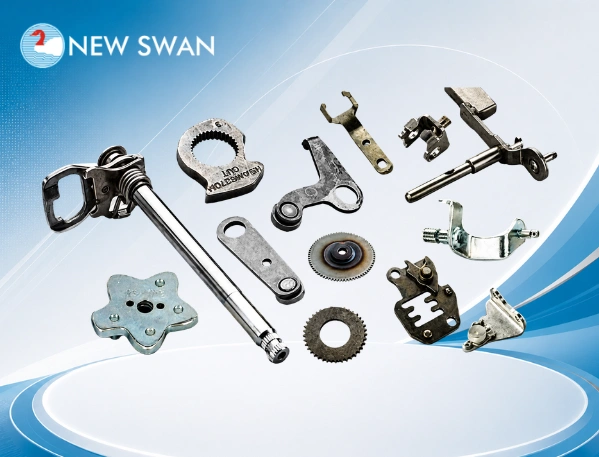

Automotive companies across the world depend on a strong supply chain to keep production running smoothly. From vehicle manufacturers to aftermarket distributors, every buyer needs parts that meet strict standards and arrive on time.
As a result, exporters must demonstrate their ability to deliver high-quality components while maintaining reliability across large volumes and multiple shipments. Buyers often compare several suppliers before selecting one, making it essential for manufacturers to stand out in terms of quality, service, and operational efficiency.
One of the most important factors global buyers consider is product quality. Automotive components play a critical role in vehicle performance, safety, and durability. Even a minor defect can lead to operational issues, warranty claims, or customer dissatisfaction.
Buyers typically look for suppliers that have robust quality control systems in place. This includes:
Companies involved in automotive parts export must ensure that every component meets customer specifications and industry requirements. A strong focus on quality helps build confidence among international clients and encourages repeat business.
Global buyers prefer suppliers that comply with internationally recognized standards. Certifications demonstrate that a manufacturer follows established quality management systems and continuously improves its processes.
Some commonly valued certifications include:
These certifications reassure buyers that the supplier operates according to global best practices. They also reduce risk during supplier selection and qualification processes.
For many international customers, certification is not just an advantage — it is often a requirement before any business relationship can begin.
Modern automotive manufacturing requires precision, efficiency, and scalability. Buyers want suppliers that can handle both current demands and future growth.
Before selecting an exporter, global customers often assess:
A well-equipped manufacturer can consistently produce components with tight tolerances while maintaining high productivity levels.
Leading companies such as Swan India invest in modern manufacturing technologies to support the evolving needs of domestic and international customers. Strong infrastructure often serves as an indicator of long-term reliability and operational excellence.
No matter how good a product is, delayed shipments can disrupt production schedules and increase costs for buyers.
This is why delivery performance is a major consideration in supplier evaluation. International customers look for exporters that can:
Reliable delivery helps buyers avoid production interruptions and maintain customer commitments in their own markets.
A supplier with a proven track record of on-time delivery often gains a competitive advantage over companies that struggle with scheduling and logistics management.
Global buyers frequently prefer working with suppliers that offer a broad range of automotive components. Managing multiple vendors can increase complexity, so buyers often seek partners capable of supplying various products under one roof.
A diversified product portfolio may include:
When manufacturers provide multiple solutions, buyers benefit from simplified procurement processes and improved supply chain coordination.
Automotive requirements continue to evolve as vehicles become more advanced and technologically sophisticated. Buyers often need suppliers that can support product development, customization, and design improvements.
Engineering capabilities are especially valuable when:
A supplier that offers technical expertise can become a strategic partner rather than simply a component vendor.
This collaborative approach helps buyers achieve better outcomes while accelerating product development timelines.
Different countries have different regulatory requirements. Automotive components exported to international markets must comply with relevant standards and customer specifications.
Global buyers evaluate suppliers based on their ability to:
Compliance demonstrates professionalism and reduces risks associated with cross-border business operations.
Companies active in automotive parts export must stay updated with changing regulations to ensure uninterrupted market access and customer satisfaction.
Strong communication is one of the most overlooked yet essential aspects of international business.
Buyers appreciate suppliers that are transparent about:
Clear communication builds trust and allows both parties to address issues before they become major problems.
In long-term partnerships, responsiveness and professionalism often influence supplier retention just as much as product quality.
Sustainability is becoming increasingly important in the automotive sector. Many global buyers now evaluate suppliers based on their environmental and social responsibility practices.
Areas commonly assessed include:
Manufacturers that embrace sustainable practices are often viewed more favorably by international customers.
As global regulations continue to evolve, sustainability will likely become an even more significant factor in supplier selection.
Most global buyers are not interested in changing suppliers frequently. Instead, they seek reliable partners who can support their growth over many years.
During supplier evaluation, buyers often ask:
A supplier that demonstrates long-term capability is more likely to secure ongoing business and strategic partnerships.
Organizations such as Swan India understand that building trust takes time and requires consistent performance across quality, delivery, engineering support, and customer service.
Global buyers have high expectations when selecting automotive component suppliers. Product quality, certifications, manufacturing capabilities, delivery performance, engineering expertise, compliance, and communication all play critical roles in the decision-making process.
Success in automotive parts export depends on much more than producing components. It requires a commitment to reliability, continuous improvement, and customer satisfaction. Manufacturers that consistently meet these expectations are better positioned to build strong international relationships and expand their presence in global automotive markets.
As the automotive industry continues to evolve, suppliers that focus on quality, innovation, and long-term partnerships will remain the preferred choice for buyers around the world.